
At 2,300 meters above sea level, where weather can change in minutes and terrain stretches far beyond the reach of roads, aerial intelligence is becoming an essential part of mountain safety. In the Ski Resort of Val Thorens, France, DJI Dock 3 is helping rescue teams gain critical situational awareness when every second count.
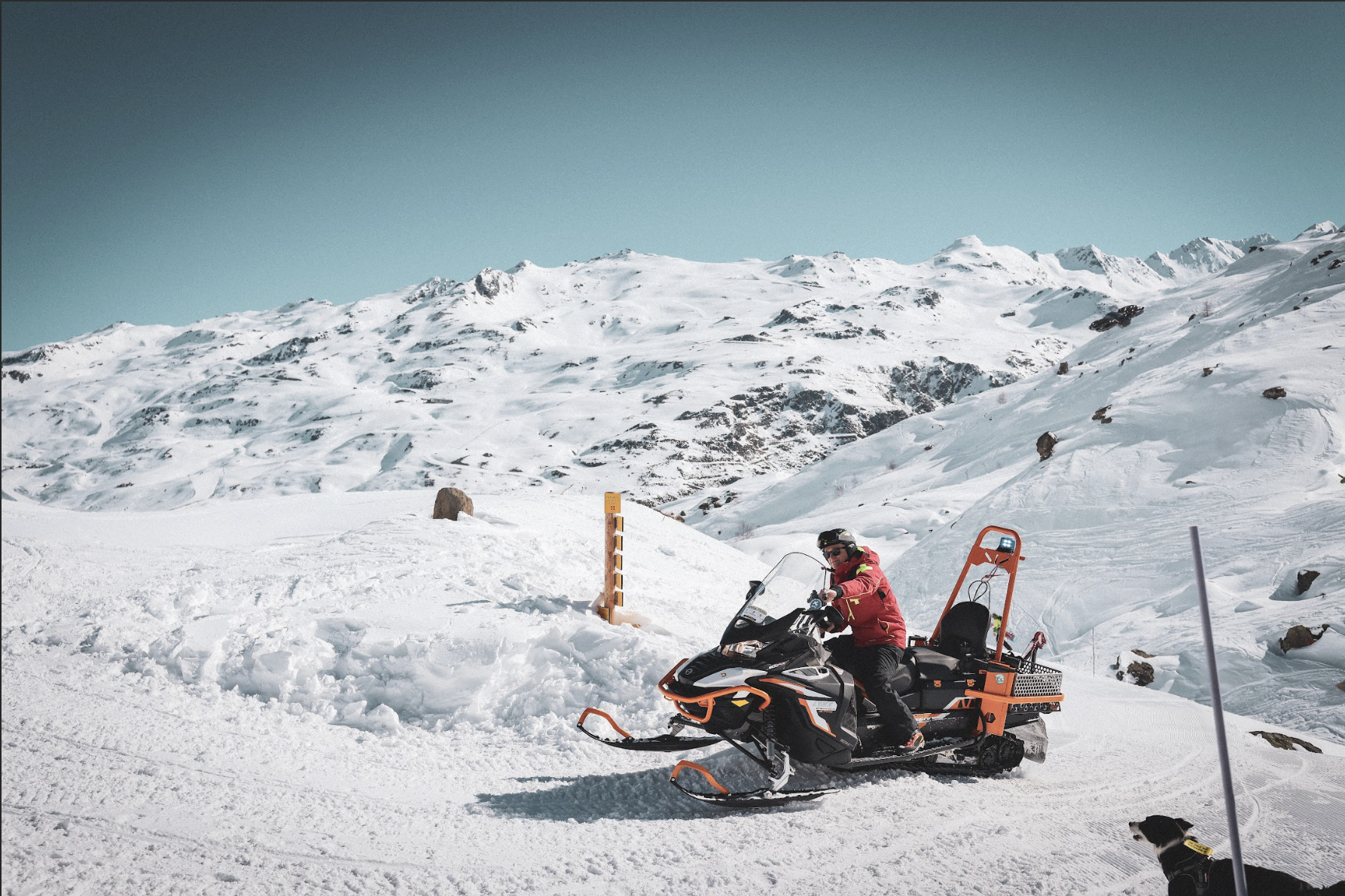
French Ski Resort Val Thorens is part of the 3 Vallées, the world's largest interconnected ski area
A New Era of Rescue in the French Alps
Nestled high in the French Alps, Val Thorens occupies a unique place in European mountain culture. Sitting at an altitude of 2,300 meters, it is recognized as the highest ski resort in Europe and serves as one of the gateways to Les 3 Vallées, the world's largest interconnected ski area, with more than 600 kilometers of linked slopes. The resort's skiing extends to elevations exceeding 3,200 meters, creating an environment of breathtaking beauty, but also significant operational challenges.
Each winter, hundreds of thousands of visitors arrive to experience the resort's renowned snow conditions and vast terrain. Yet behind every successful ski season stands an extensive network of safety professionals, patrol teams, and emergency responders working to monitor a complex alpine environment.
For those teams, gaining rapid situational awareness across such a large area has always been a challenge.
Today, DJI Dock 3 is helping change that.
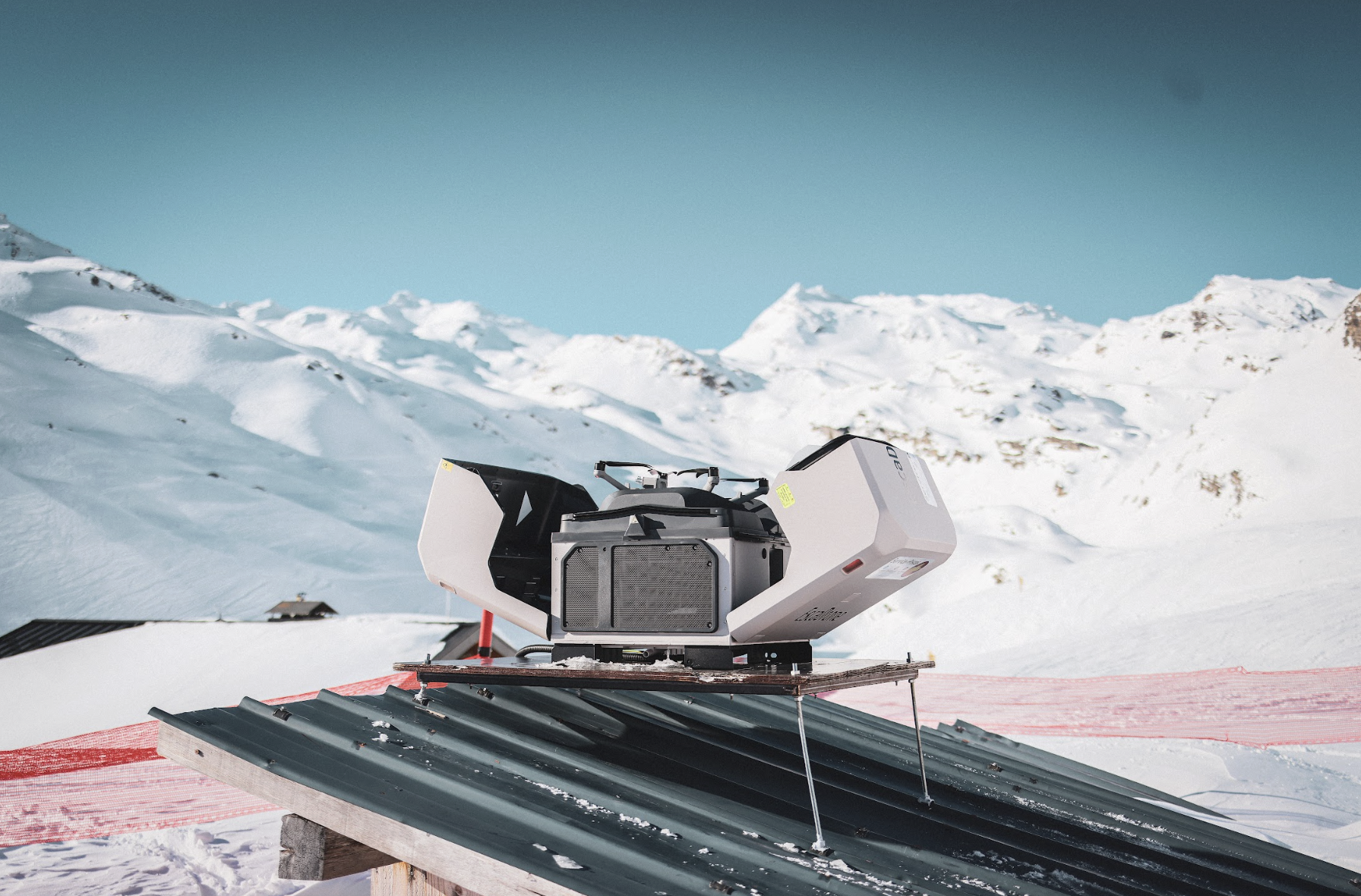
The DJI Dock 3 opening ready for its mission
The Challenge of Protecting a Vertical Resort
Unlike many mountain destinations, Val Thorens operates in a uniquely exposed environment.
The resort sits above the tree line, surrounded by steep slopes, high ridgelines, and rapidly changing weather systems. Visibility can deteriorate quickly, while snowfall, wind, and avalanche risks can create dangerous conditions for both visitors and rescue personnel.
Traditionally, assessing an incident often required teams to physically reach a location before fully understanding the situation.
With DJI Dock 3, aerial reconnaissance can begin almost immediately.
Strategically positioned within the resort's operational ecosystem, the autonomous docking station enables rapid drone deployment without requiring personnel to transport equipment to a launch site. Within minutes, responders can receive real-time aerial imagery, assess terrain conditions, and coordinate resources more effectively.
The result is faster information and more informed decision-making.
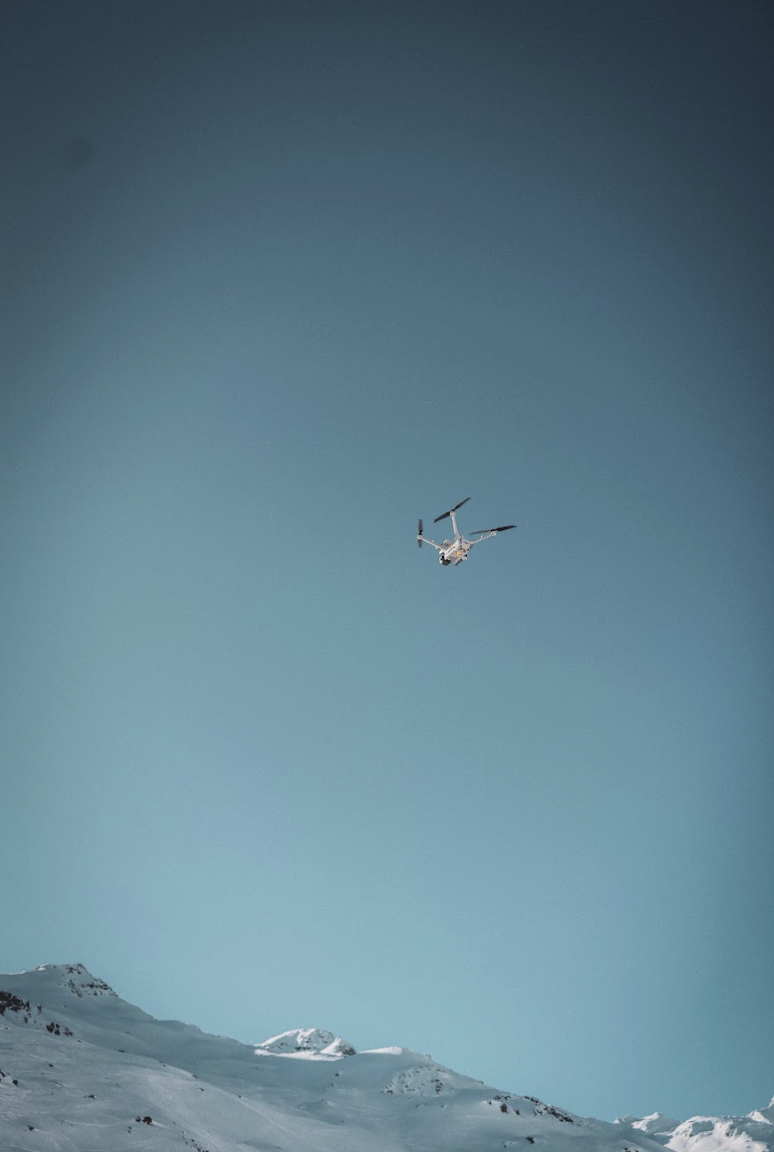
The DJI Matrice 4D Drone is deployed in the air from the DJI Dock 3 for its monitoring mission
Eyes in the Sky When Conditions Are at Their Worst
The footage demonstrates DJI Dock 3 operating in precisely the type of environment where rapid aerial awareness delivers the greatest value: snow-covered mountain terrain, complex topography, and changing weather conditions.
By providing an immediate aerial overview, rescue coordinators can evaluate:
- Access routes for emergency teams
- Snowpack and terrain conditions
- Weather impacts on operations
- Search areas for missing individuals
- Potential risks to responders
Rather than sending personnel into uncertain conditions to gather information, teams can first build a clear operational picture from above.
This capability not only accelerates response times but can also reduce unnecessary exposure to hazards.
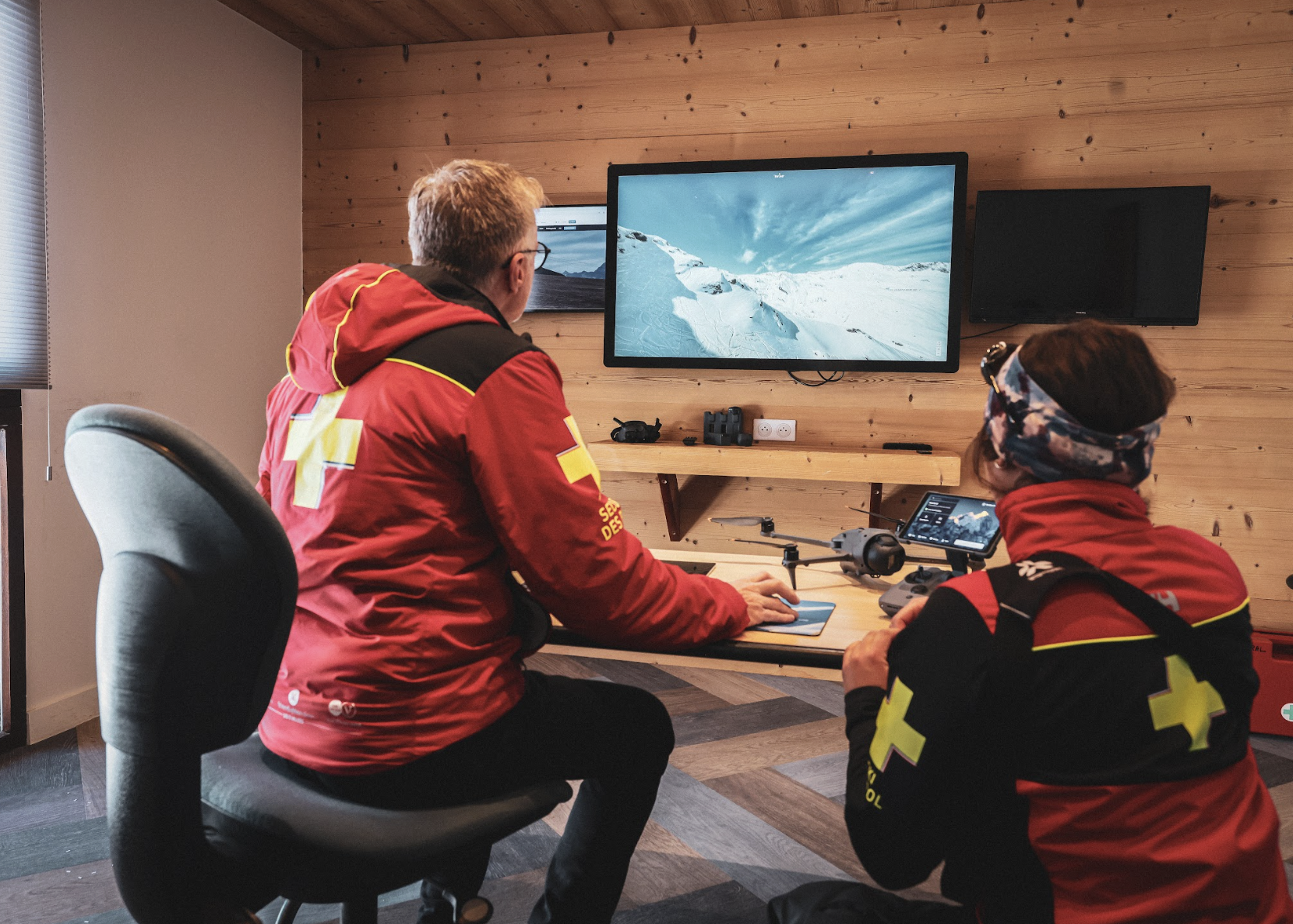
The command center analysing live images sent by Dock 3 and Matrice 4D in real time
Technology Supporting Human Expertise
For Olivier Gardet, the value of autonomous drone infrastructure is not simply about technology, it's about improving operational effectiveness.
"In the mountains, time and information are everything. The faster we can understand a situation, the faster we can make the right decision," says Olivier Gardet.
The ability to launch remotely and receive actionable intelligence in real time helps teams focus resources where they are needed most.
"The drone doesn't replace rescue professionals. It gives them a better understanding of the environment before they commit teams into the field," Gardet explains.
This shift represents an important evolution in mountain operations. Instead of reacting based on limited information, responders can increasingly act based on verified aerial intelligence.
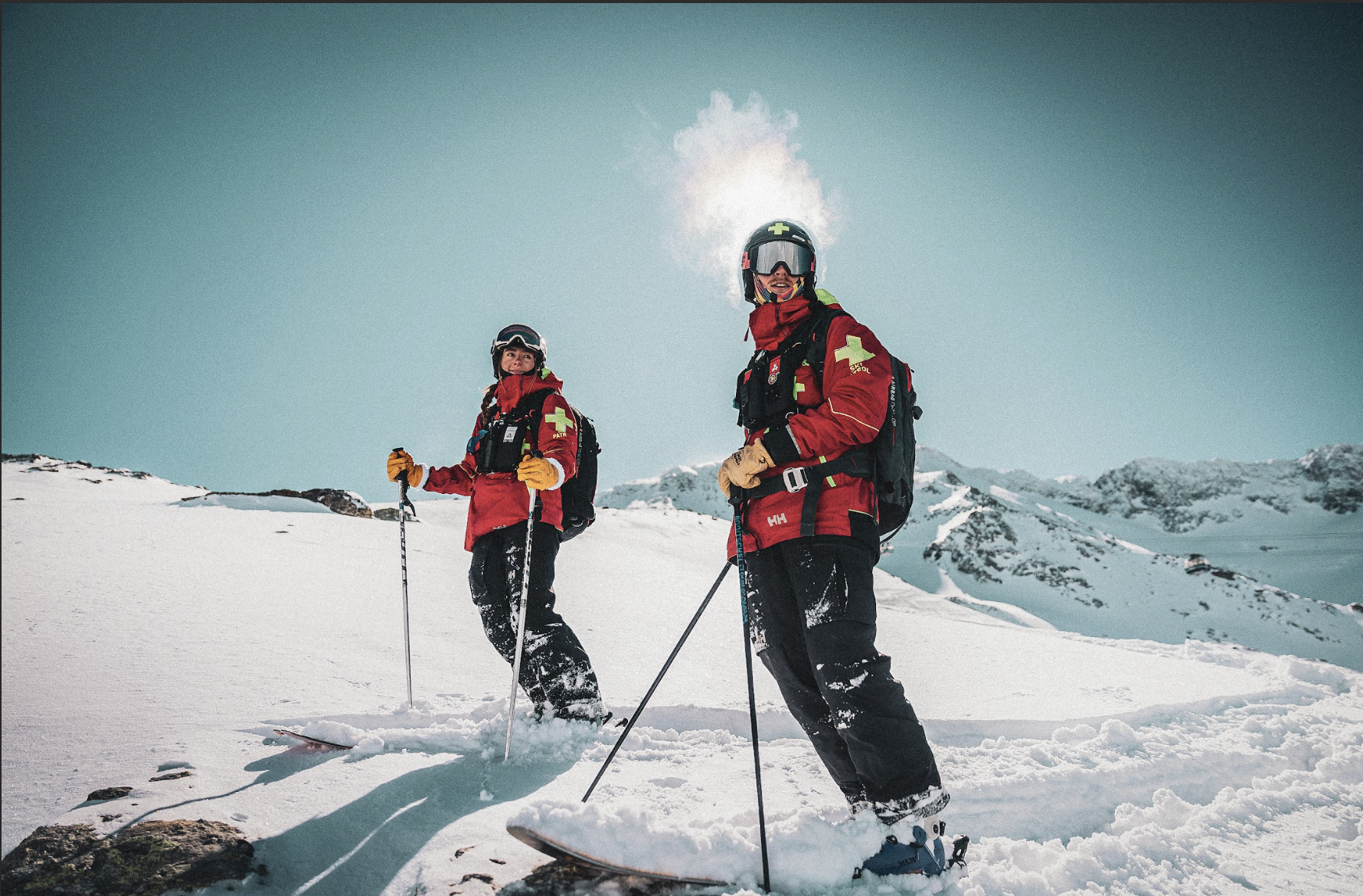
The Val Thorens Ski Patrol team is supported by the DJI Dock 3's autonomous deployment capabilities
Built for Continuous Readiness
One of the defining advantages of DJI Dock 3 is readiness.
In environments where conditions can change by the hour, keeping aerial assets permanently available can have a significant operational impact.
Val Thorens is known for one of the longest and most reliable ski seasons in Europe, typically operating from November through May thanks to its exceptional altitude and snow conditions.
Maintaining safety across such a long season requires tools that can remain available day after day, regardless of operational demands.
Dock 3's autonomous deployment capabilities help ensure aerial support can be integrated into daily operations rather than reserved solely for exceptional circumstances.
"What makes this technology powerful is its availability," says Gardet. "When a situation develops, the system is already in place and ready to support the operation."
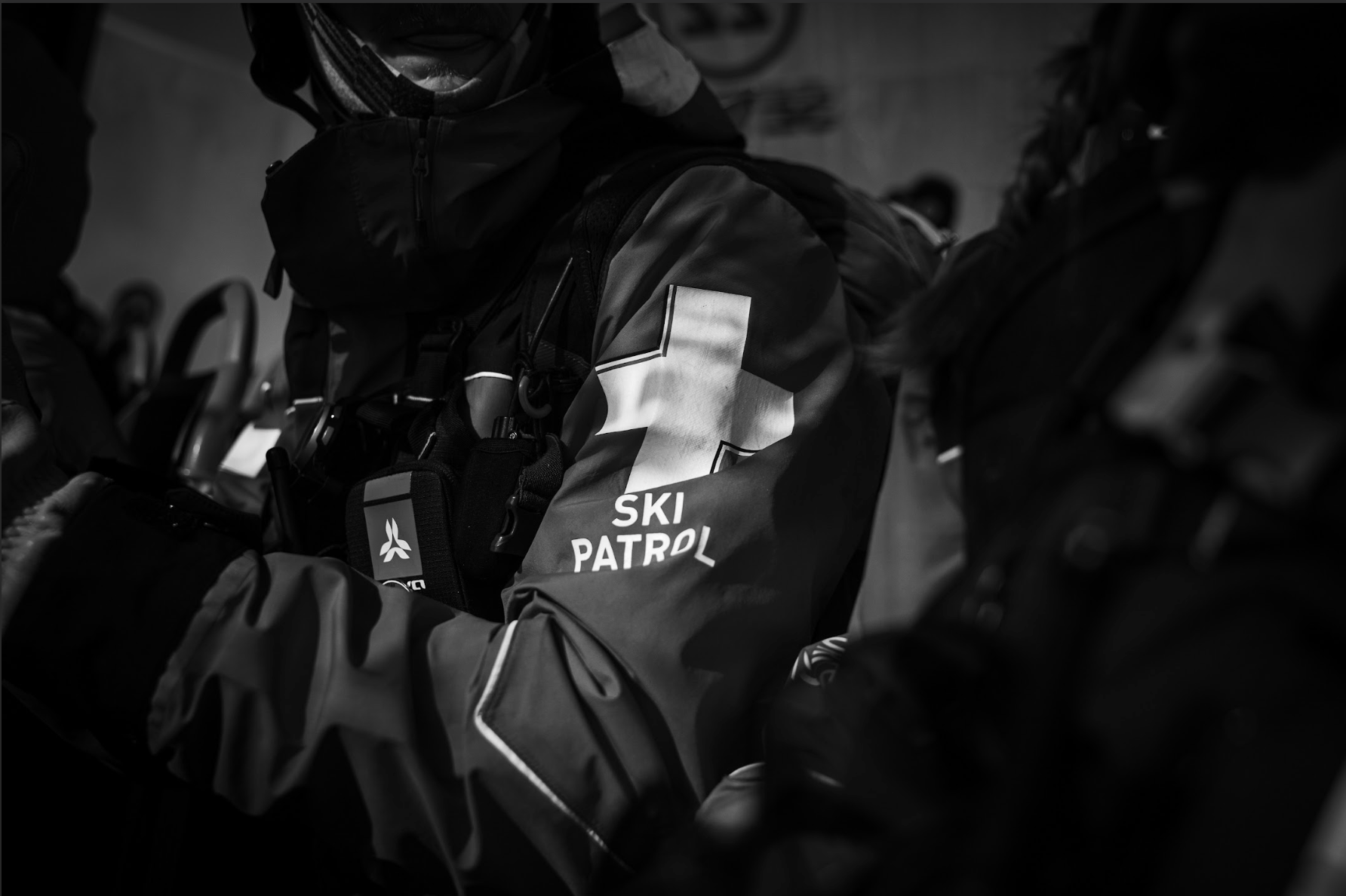
The Future of Alpine Operations
As mountain destinations face growing operational complexity from increased visitor numbers to more dynamic weather patterns, the need for timely information continues to grow.
Across Europe, high-altitude resorts are exploring new ways to improve safety, optimize resources, and strengthen emergency response capabilities. Aerial intelligence is becoming an increasingly important part of that conversation.
Val Thorens offers a compelling example of what that future can look like.
At Europe's highest ski resort, autonomous drone operations are helping teams see farther, respond faster, and operate more safely in one of the continent's most demanding environments.
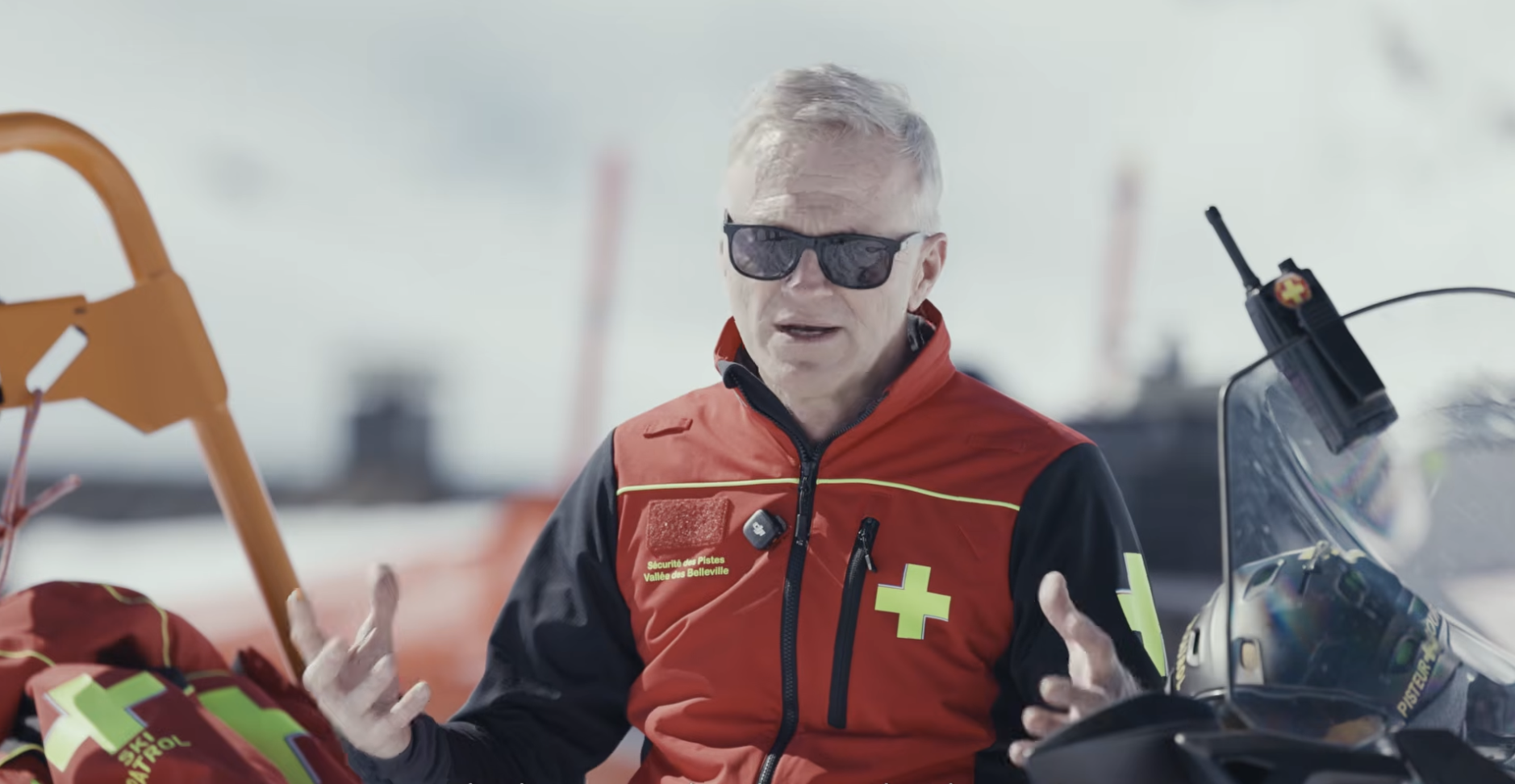
Olivier Gardet, First Aid Technical Director of Val Thorens Ski Service
This collaborative model opens the door to research that is more agile, more responsive, and more accessible.
A Higher Perspective
Mountain rescue will always depend on highly trained professionals willing to operate in difficult conditions.
What is changing is the quality and speed of the information available to them.
By combining autonomous infrastructure with advanced aerial intelligence, DJI Dock 3 is helping rescue teams gain a higher perspective, one that enables smarter decisions, faster responses, and ultimately greater safety for everyone who enjoys the mountains.
In a place defined by altitude, that perspective can make all the difference.
Watch this DJI Story here:
https://www.youtube.com/watch?v=i4ruvRhbEL0